

FAQ: Eye Exams in Austin, TX
At Ranch Road Vision Source in Austin, TX, we provide comprehensive eye exams designed to help you see clearly and protect your long-term eye health. Whether you are due for an updated prescription, noticing vision changes, or simply staying proactive with routine care, our team uses advanced diagnostic technology to give you a thorough, comfortable exam experience. Below are frequently asked questions on eye exams.
What happens during an eye exam?
During an eye exam at our Austin, TX office, we evaluate your vision, check your eye health, and review any symptoms or concerns you may have. We may use advanced technology such as Optical Coherence Tomography (OCT), optomap® Retinal Exam, electronic refraction technology, and other diagnostic tools to better understand your eyes and provide personalized recommendations.
How often should I schedule an eye exam?
Most patients should schedule a comprehensive eye exam once a year, even if their vision seems stable. Annual exams help us detect prescription changes, eye strain, dry eye, and early signs of eye conditions before they become more serious.
Why are routine eye exams important?
Routine eye exams help protect both your vision and overall eye health. Many eye conditions can develop without obvious symptoms, so regular exams allow us to look for early changes and help you take action before vision is affected.
What technology is used during eye exams in Austin, TX?
At Ranch Road Vision Source, we use advanced diagnostic technology to make eye exams more detailed and efficient. This may include Optical Coherence Tomography (OCT), optomap® Retinal Exam, I-care tonometer, electronic refraction technology, and a corneal topographer when needed.
What is Optical Coherence Tomography (OCT) used for during an eye exam?
Optical Coherence Tomography (OCT) allows us to capture detailed cross-sectional images of the retina during your Austin, TX eye exam. This helps us evaluate important structures inside the eye and monitor for signs of conditions such as glaucoma, macular changes, and other retinal concerns.
What is an Optomap Retinal Exam?
An optomap® Retinal Exam gives us a widefield view of the retina during your eye exam in Austin, TX. This technology helps us examine more of the back of the eye in a quick, non-invasive way, which can support earlier detection of certain eye health issues.
Does an eye exam include a glaucoma screening?
Yes, a comprehensive eye exam typically includes screening for signs of glaucoma. We may use an I-care tonometer to measure eye pressure comfortably, along with other testing when needed to evaluate your optic nerve and overall eye health.
What is an I-care tonometer used for during an eye exam?
An I-care tonometer is used to measure eye pressure during eye exam. It is designed to be quick and comfortable, and it helps us screen for pressure changes that may be associated with glaucoma or other eye health concerns.
How does electronic refraction technology help with eye exams?
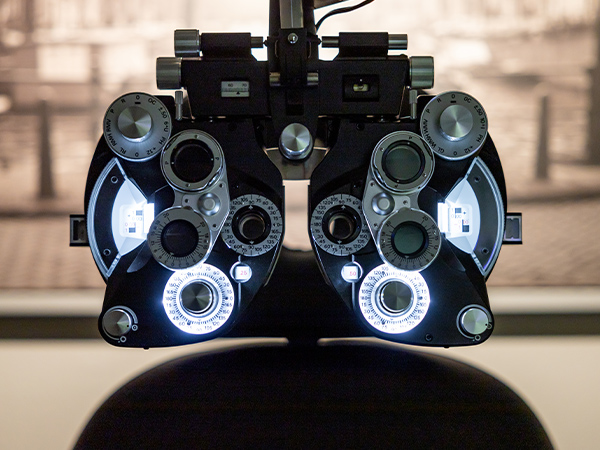
Electronic refraction technology helps us measure your prescription more efficiently during your eye exam. It supports a more streamlined testing process and helps us determine whether glasses or contact lenses could improve your vision.
When is a corneal topographer used during an eye exam?
A corneal topographer may be used during eye exam to map the shape and curvature of the front surface of the eye. This technology is especially helpful for contact lens fittings, irregular corneas, astigmatism, and certain corneal conditions.
Can an eye exam detect more than vision problems?
Yes, an eye exam can detect more than blurry vision or prescription changes. A comprehensive exam can help identify signs of dry eye, cataracts, glaucoma, retinal issues, and other conditions that may affect your long-term eye health.
Do I need an eye exam if I already have glasses or contacts?
Yes, even if you already wear glasses or contacts, regular eye exams in Austin, TX are still important. Your prescription can change over time, and we also check the health of your eyes to make sure your current vision correction is still the best fit for your needs.
Can I get a contact lens evaluation with my eye exam in Austin, TX?
Yes, patients can receive a contact lens evaluation along with a comprehensive eye exam when appropriate. We assess your prescription, eye shape, comfort, and lifestyle needs to help determine the right contact lens option for your vision.
What should I bring to my eye exam?
For your eye exam, bring your current glasses, contact lenses, insurance information, and a list of any medications or eye symptoms you have noticed. This helps us understand your vision history and provide the most accurate care possible.
Why choose Ranch Road Vision Source for eye exams in Austin, TX?
Patients choose Ranch Road Vision Source for eye exams in Austin, TX because we combine personalized care with advanced diagnostic technology. Our team takes time to explain your results, answer questions, and help you feel confident about your vision and eye health.
If you are due for an eye exam, we invite you to contact Ranch Road Vision Source to schedule a visit. Our team is here to help you protect your vision with attentive, technology-supported care. Call our office in Austin, TX at (512) 893-2020 today.
Helpful Articles
All Eye Care Services
Find personalized eye care excellence with our comprehensive services. From eye exams to advanced diagnostics, trust us for all your vision needs.
Keep In Touch
For non-urgent questions or to learn more about our services, contact us today!
© 2026 Ranch Road Vision Source. All rights Reserved - Accessibility Statement - Privacy Policy - Sitemap
Managed and Designed by 